Smart Rings in 2026: A Practical Buying Guide for Malaysians
A practical guide to buying a smart ring in 2026, from fit and battery habits to app quality, subscriptions, and long-term value.
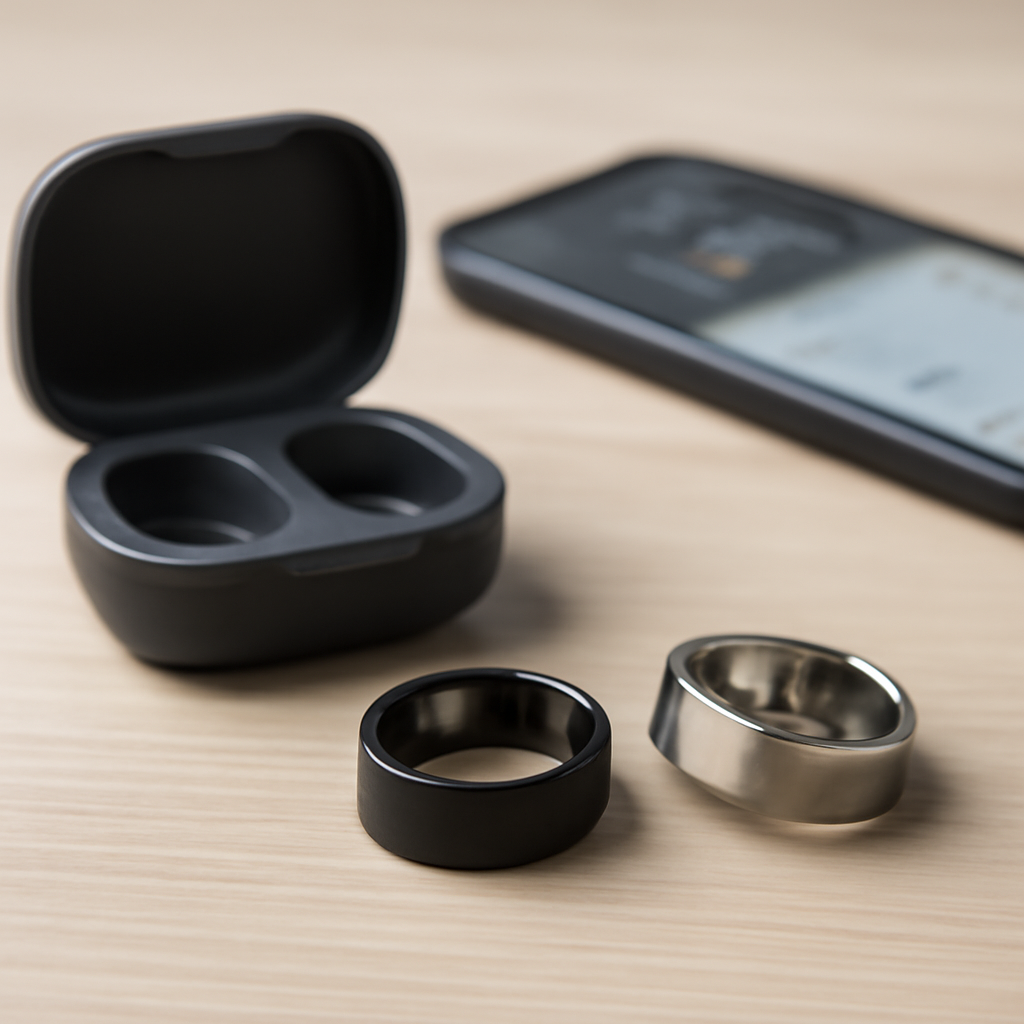
Smart rings are having a real consumer moment in 2026. In Malaysia, people who skipped smartwatches are now looking at rings because they are lighter, less distracting, and easier to wear all day. Search and social signals are noisy, but the pattern is clear: buyers want health tracking that feels invisible and practical, not another screen fighting for attention.
If you are considering a smart ring now, the biggest risk is paying premium price for features that do not match your routine. A smart ring is best treated as a daily data tool that improves sleep, recovery, and activity decisions without creating more digital clutter.
What current signals say about smart ring demand
Google Trends Malaysia frequently mixes entertainment, news, and gadget spikes, but wearable and phone-adjacent searches continue to appear in rotation. Reddit gadget communities are also discussing hardware choices more cautiously this year, especially around foldables, accessories, battery life, and value-for-money upgrades. X trend trackers show short hype cycles, but practical product comparisons stay active longer than launch-day reactions.
Perplexity Sonar-style synthesis points to a useful conclusion: practical buyers are prioritizing durability, battery routine, and long-term ownership cost over headline features. That is the right filter for smart rings, where comfort and consistency matter more than flashy specs.
Who should buy a smart ring (and who should wait)
A smart ring is a good fit if you care about sleep and recovery trends, dislike sleeping with a watch, or want passive activity tracking with minimal friction. It is also useful for professionals who need wearable insights without visible wrist devices in meetings, formal settings, or customer-facing roles.
You should probably wait if you expect medical-grade diagnostics, need full smartwatch interactions on-device, or dislike subscription models. Most rings are excellent at trend-level guidance, not medical certainty. They help you spot patterns over time, but they are not replacements for clinical tools.
Practical rule: buy a ring only if you will use its data for at least 90 days. Occasional checking usually destroys value.
The four checks that prevent expensive regret
1) Comfort and fit first
Fit matters more than almost any other specification. A ring that feels slightly wrong in week one usually ends up in a drawer by month two. Use sizing kits when available, and test on the finger you actually plan to use overnight. Slight swelling changes throughout the day are normal, so check both daytime and bedtime comfort before finalizing size.
2) Battery routine, not just battery length
Marketing may highlight multi-day battery life, but your real question is whether charging fits your routine. If you can top up while showering or during desk time, even shorter battery windows can still be manageable. If charging is annoying, adherence drops and your data quality collapses.
3) App quality and data clarity
The ring itself is only half the product. The app experience determines whether data is actionable or confusing. Look for clear trend views, plain-language recommendations, and useful weekly summaries. If the app overwhelms you with abstract scores and little context, you will stop using it.
4) Total ownership cost
Before checkout, calculate three layers: device price, potential subscription, and replacement horizon. Some buyers only compare upfront hardware prices, then feel trapped by recurring fees later. A ring can still be worth it with a subscription, but only if the coaching or analytics clearly changes your habits.
How to evaluate accuracy without falling for hype
Consumer wearables often look “accurate” in marketing because they perform well in controlled demos. Real life is messier: different skin tones, movement patterns, sleep schedules, and ring placement all affect readings. For most users, the better approach is to focus on directional consistency rather than absolute precision.
In practice, ask these questions after two to three weeks:
- Do sleep and recovery trends move in a believable direction after late nights, hard workouts, or travel?
- Are resting patterns stable enough to spot abnormal weeks?
- Do insights lead to better decisions, such as earlier bedtime or improved training pacing?
If the answer is yes, the ring is doing its job. If data feels random or unhelpful, the issue may be fit, usage inconsistency, or simply a mismatch with your goals.
A practical 7-day setup plan for new owners
Day 1: Set baseline profile correctly and wear consistently.
Day 2: Confirm fit comfort across morning and night.
Day 3: Enable only essential notifications; avoid alert overload.
Day 4: Review sleep timing and one recovery metric only.
Day 5: Compare activity trend with your usual schedule.
Day 6: Test your charging habit at a fixed daily window.
Day 7: Decide one behavior change for next week (for example, bedtime consistency or lighter late-evening meals).
This routine keeps onboarding simple and increases the chance that your ring becomes a useful habit tool instead of a short-lived gadget experiment.
Common mistakes Malaysian buyers make
- Buying on launch-week excitement without checking subscription details.
- Choosing size based on daytime fit only, then finding sleep discomfort later.
- Comparing ring scores with friends instead of tracking personal trends.
- Expecting smartwatch-level interaction from a ring-first product category.
- Ignoring warranty and local support pathways before purchase.
Malaysia’s retail environment is promotion-heavy, so the temptation is to optimize for discount percentage. A better strategy is to optimize for usable ownership: comfort, reliable charging rhythm, and app clarity. A slightly higher upfront price can still be cheaper than abandoning a poor-fit device in a month.
Bottom line
Smart rings can be one of the most practical consumer tech upgrades in 2026, but only when you buy for routine fit, not novelty. The winners in this category are not the products with the loudest launch cycle. They are the ones you can wear daily, charge consistently, and learn from over time.
If you treat your ring as a simple behavior feedback tool, it can quietly improve sleep discipline, recovery decisions, and everyday energy management. If you treat it as a status gadget, it will likely become expensive clutter. Buy for the next 90 days of habits, not the first 90 minutes of hype.
Read next
- Buying a Laptop in 2026: A Practical Guide to RAM Prices and AI PC Hype
- Consumer Tech: 5 AI Upgrades You’ll Actually Feel
- The 90-Minute Focus System Malaysian Teams Are Using to Beat AI-Era Task Overload