Buying a Laptop in 2026: A Practical Guide to RAM Prices and AI PC Hype
RAM prices are rising and AI PC labels are everywhere. Here is a practical step-by-step guide to choose the right laptop spec and avoid overpaying in 2026.
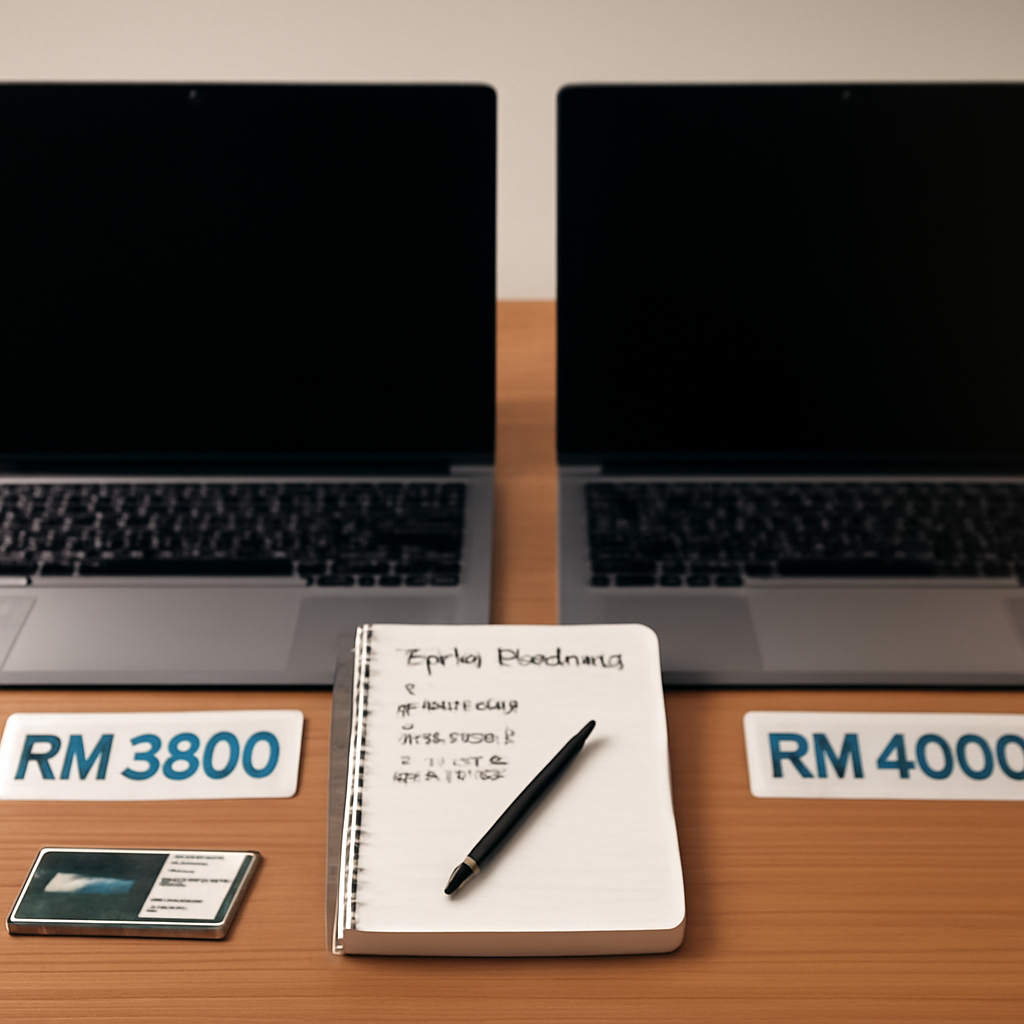
If you have browsed laptop listings recently, you have probably noticed two things. First, prices are harder to compare because models with similar processors can be hundreds of ringgit apart. Second, almost every product page now uses terms like AI PC, Copilot+ ready, or next-gen NPU. It sounds exciting, but for most people, buying a good laptop in 2026 is less about chasing labels and more about getting the right balance of memory, storage, battery life, and long-term value.
A useful signal this year is the memory story. Reports tied to major PC vendors suggest RAM is taking a much larger share of component cost than before. When memory gets expensive, brands tighten base specs and make upgrades pricier. Buyers who do not plan ahead usually pay more later.
For practical buyers in Malaysia, where promotions change quickly across marketplaces and retail chains, this is the moment to shop with a checklist instead of marketing promises.
What current trend signals are really saying
Google Trends Malaysia is showing broad public spikes in lifestyle and news, not one dominant laptop launch keyword. Reddit tech communities, however, continue discussing value-for-money builds, upgrade pain, and RAM pressure. X trend trackers still show heavy brand chatter, but without one must-buy wave.
In plain terms: this is a comparison market, not a hype market. That helps buyers. You have room to compare properly and avoid impulse upgrades.
Why RAM matters more in 2026
Many shoppers still prioritize CPU branding first and leave RAM as a late decision. In 2026, that can backfire. Modern usage stacks are heavy: browsers, meetings, office apps, cloud sync, and AI-assisted features all run together.
Think of RAM as your daily breathing room. Low RAM does not always crash a system, but it increases slowdown, lag, and thermal stress under normal multitasking. If you can only prioritize one upgrade, memory should usually come first, then SSD capacity.
How to evaluate AI PC marketing without overpaying
AI features are becoming standard in both OS and hardware roadmaps. Some classes like Copilot+ have clear hardware thresholds. But that does not mean every user needs a premium AI-labeled machine today.
Ask this: will your next 18 months include local AI tasks you actually care about, such as transcription, image work, coding assistants, or offline inferencing? If not, a balanced mainstream laptop with enough RAM often delivers better value than paying extra for early-cycle labels.
A simple laptop spec framework
1) Daily basics (study, admin, web, meetings)
16GB RAM minimum, 512GB SSD, efficient modern CPU, and good battery behavior.
2) Heavy multitasking (many tabs, light editing, remote-heavy work)
24GB–32GB RAM where possible, 1TB SSD preferred, better thermals, reliable keyboard and webcam.
3) Creator/technical workflows
Start at 32GB RAM, then choose GPU/NPU mix based on your actual software stack.
4) Gaming + productivity mixed use
Avoid pairing a high GPU with low RAM. If budget is fixed, step down one GPU tier and step up RAM.
Where buyers lose money most often
The common mistake is buying the cheapest new-generation badge with minimum memory, then trying to stretch lifespan through limited upgrades. Another costly mistake is overpaying for top CPU class while ignoring battery quality, display comfort, thermals, and support.
In Malaysia, compare total bundle value: warranty extension, accidental damage plan, charger quality, and upgrade promotions. Sometimes the slightly higher sticker price is still cheaper over two years.
Weekend buying checklist
- List your top five weekly workloads.
- Set a non-negotiable RAM floor before browsing.
- Shortlist only three models.
- Compare battery size, port mix, cooling, and warranty.
- Check if RAM is upgradeable or soldered.
- Buy during campaign periods only if the spec baseline is already right.
Bottom line
Buying a laptop in 2026 is not about chasing the loudest AI label. It is about buying enough memory for real workload stability and avoiding under-specced base models that age badly. If you set your RAM floor first and evaluate total ownership value, you will make a smarter purchase and keep your machine useful for longer.
Read next
- Consumer Tech: 5 AI Upgrades You’ll Actually Feel
- The 90-Minute Focus System Malaysian Teams Are Using to Beat AI-Era Task Overload
- EPF Dividends, Cash Flow, and the 2026 Money Playbook for Malaysian Households and SMEs